
How Digital Evidence Is Redefining Civil Rights in America
Civil rights in America were never meant to be static. They were designed to protect people as society evolved, technology advanced, and power shifted. Today, what civil rights look like in a smartphone era is fundamentally different from even a generation ago.
What has changed is not the importance of civil rights, but the way they are exercised, protected, and proven. In today’s world, digital evidence has become one of the most powerful forces redefining what civil rights look like in practice.
For generations, civil rights disputes often came down to testimony — one person’s word against another’s. Memory against authority. Emotion against paperwork. That imbalance shaped outcomes more than the law itself. Digital evidence changed that equation quietly, persistently, and irreversibly, creating a power shift where citizens have evidence, not just stories.

This article explores how digital evidence is redefining civil rights in America, why this shift matters to everyday people, and how tools like the H.E.L.P. App help translate rights from abstract principles into real-world protection. This isn’t about technology for technology’s sake. It’s about how truth survives in modern systems.
Civil Rights Were Always About Proof
At their core, civil rights are about fairness, dignity, and equal treatment under the law. But rights without proof are vulnerable. They depend on belief rather than verification. Historically, many civil rights violations went unaddressed not because laws didn’t exist, but because evidence did not.
Digital evidence didn’t create civil rights. It gave them traction.
From Oral History to Digital Records
For much of American history, civil rights stories traveled by word of mouth. Communities remembered what happened, even when institutions did not. While those stories mattered, they often struggled to compete with official records.
Digital records changed whose version of events carried weight.
Why Smartphones Became Civil Rights Tools
Smartphones didn’t arrive as legal instruments. They arrived as convenience devices. But their ability to record video, audio, time, and location transformed them into something far more powerful.
They became witnesses — and accountability now starts the moment an encounter begins.
Why Witnesses Matter in Civil Rights
Witnesses validate experiences. They provide perspective beyond authority. Digital evidence functions as a silent witness that doesn’t forget or reinterpret events later.
That reliability matters.
Why Civil Rights Depend on Documentation
Courts, investigators, and oversight bodies rely on documentation. Without it, civil rights claims become philosophical debates instead of factual inquiries.
Digital evidence grounds rights in reality.
Why Digital Evidence Changed Power Dynamics
Power once flowed toward those who controlled official narratives. Digital evidence decentralized that power by allowing everyday people to preserve their own records.
Decentralization promotes fairness.
Why Civil Rights Are Now Practiced in Real Time
Civil rights used to be asserted after harm occurred. Today, they are exercised during encounters through documentation.
Timing changed everything.
Why Memory Lost Its Monopoly
Memory is emotional and malleable. Digital evidence is factual and fixed. Systems now favor records over recollections.
This shift benefits accuracy.
Why Civil Rights Became More Visible
Visibility discourages abuse. When actions are visible, accountability becomes possible.
Digital evidence brings light.
Why Civil Rights Are Strengthened by Context
Short clips can mislead. Full recordings provide context, tone, and sequence.
This is where the hidden power of timestamped video evidence becomes critical.
Context prevents distortion.
Why Digital Evidence Is Not Anti-Authority
Documentation does not attack authority. It clarifies actions.
Clarity strengthens legitimacy.
Why the H.E.L.P. App Reflects Modern Civil Rights
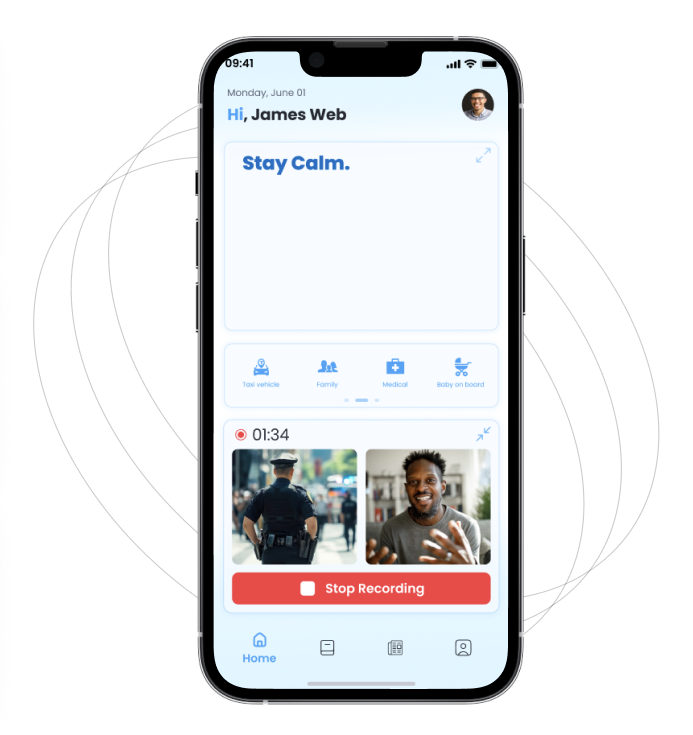
The H.E.L.P. App (Helping Ensure Legal Protection) was designed for a world where civil rights require immediate, calm documentation. One-touch activation, timestamped recording, and secure storage protect users without escalation.
It fits modern realities.
Final Thoughts
Digital evidence has not replaced civil rights in America. It has amplified them. It transformed rights from abstract promises into observable realities. Smartphones, video, and secure documentation tools allow everyday people to protect themselves calmly, confidently, and fairly.
In a digital age, civil rights are no longer just remembered later. They are preserved now. And that preservation is redefining justice for the better.
Take the Next Step
If you believe civil rights deserve modern protection, choose tools built for today’s reality.
👉 Download the H.E.L.P. App

