How to Be a Good Designated Driver (and a Good Designated Safety Buddy)
Being a good designated driver isn’t just about staying sober so you can drive – it’s about looking out for friends and ensuring everyone has a safe, fun night out. Serving as the designated safety buddy means you’re the one friends rely on to get home securely and avoid trouble. In this guide, we’ll break down why designated drivers are so important, how to fulfill this role responsibly, and ways to keep your friends safe (both on the road and off). We’ll also touch on some legal tips – including how tools like the H.E.L.P. App can empower you if things don’t go as planned. Grab a (non-alcoholic) drink, and let’s dive in!
Why Designated Drivers Matter
Every great night out should end with everyone home safe and sound. Unfortunately, drinking and driving is a serious hazard – every day, about 34 people in the U.S. die in drunk-driving crashes (roughly one person every 42 minutes) nhtsa.gov.
The good news is these tragedies are entirely preventable. By choosing a designated driver, friends commit to safety that can literally save lives.
Designated drivers significantly reduce the risk of accidents and legal trouble. In fact, society widely recognizes the value of designated drivers. Surveys show that 95% of young adults believe being a designated driver is the responsible thing to do, Ipsos.com.
People who volunteer as DDs are seen as community heroes – 91% agree that without designated drivers, there would be a lot more car accidents and fatalities in their communities. Simply put, being a designated driver is one of the most impactful ways to protect your friends and others on the road.

It’s not just about avoiding crashes. Ensuring friends don’t drive drunk means avoiding hefty legal consequences, too. Drunk driving is a crime with strict penalties: you could face suspended licenses, steep fines, or even jail time if caught nhtsa.gov. And a DUI is extremely expensive, often costing $10,000 or more in legal fees, fines, and higher insurance nhtsa.gov. By having a sober driver, the whole group is spared from those risks. You’re protecting your friends’ lives and their futures – that’s a big deal!
Finally, being a designated driver is part of looking out for the broader community. In one Canadian survey, 93% of young adults said they serve as a DD to protect their friends, and 84% do it to protect their community ipsos.com. Many even see taking turns as DD as a shared social responsibility ipsos.com. In short, designated drivers matter because they prevent harm, give everyone peace of mind, and contribute to a safer community.
Preparing to Be a Designated Driver
So you’ve volunteered (or been nominated) to be the designated driver – thank you for your service! Now let’s make sure you’re prepared. A little planning upfront can make your night much easier.
Plan Ahead and Communicate: Before you even head out, decide who will be the designated driver. Don’t wait until everyone has had a few drinks and then pick whoever seems “least drunk” – that’s a recipe for confusion. Instead, agree in advance who’s staying sobe r reynoldsdefensefirm.comipsos.com. Communicate the plan clearly to all friends. Let them know “I’ll be driving tonight, so I won’t be drinking – and I’ve got your backs to get everyone home.” This sets expectations early. Planning your route and schedule is smart too – know what time you’ll leave, and where everyone needs to be dropped off.
Set Some Ground Rules: It’s okay to lay down a couple of rules with your crew. For example, you might say you’re happy to drive and pick people up, but ask that everyone wears their seatbelt and doesn’t bring open containers in your car. Remind friends that safety comes first and their cooperation will ensure a smooth ride reynoldsdefensefirm.com. Establishing rules (like “no drinks in the car” or “we all leave together at midnight”) helps prevent misunderstandings later on.
Have a Backup Plan: Even the best plans can change. Maybe you unexpectedly get called away, or a friend wants to leave early. Plan a Plan B for transportation just in case reynoldsdefensefirm.com. This could mean having a rideshare app ready to go, enough cash for a taxi, or identifying another sober person who could step in if needed. Knowing there’s an alternative way home takes pressure off and guarantees no one ends up in a bind. For instance, if someone in your group decides to stay out much later, you might arrange for them to crash at a friend’s place or use a rideshare. A little foresight goes a long way.
Stay Equipped: If you’re driving, make sure your vehicle is ready. Have enough gas in the tank, and know where you’re going. It’s also not a bad idea to keep some essentials in the car: bottles of water, a puke bag (hopefully not needed, but just in case for that really seasick friend), and maybe some snacks for the ride home. A phone charger can be a lifesaver too, especially if you might need your GPS or to call anyone.
By preparing and communicating upfront, you set yourself (and your friends) up for a fun, worry-free outing. Now let’s talk about how to execute the role of designated driver like a pro.
Tips for Being a Responsible (and Awesome) Designated Driver
Being the DD doesn’t mean you’re destined to have a boring night or just act like a parent. You can still have a blast while keeping everyone safe. Here are some practical tips to be a good designated driver and still enjoy the evening:
1. Embrace Total Sobriety (No “Just One Drink”): This is rule number one for a reason. A designated driver must stay completely sober – not “mostly sober,” completely reynoldsdefensefirm.com. Even one drink can impair your reaction time and judgment. Plus, having zero alcohol makes it easier to resist any temptation later in the night. Commit to abstaining from alcohol entirely while you’re on duty. That also means steering clear of other substances that could impair you. Think of it as a badge of honor – you’re the reliable one tonight. If anyone offers to buy you a drink, opt for a soda, mocktail, or water instead. Which brings us to…
2. Enjoy Non-Alcoholic Beverages (Mocktails FTW): Just because you’re not drinking alcohol doesn’t mean you can’t have fun drinks. Many bars and restaurants offer tasty mocktails, alcohol-free beers, or other creative virgin drinks. Treat yourself! You might even get some DD perks – some venues offer free soft drinks or discounts to designated drivers bernsteinmello.com. Ask the bartender if they have any “designated driver specials.” Sipping a fancy ginger mojito or sparkling mocktail can help you feel part of the festivities. Keep a drink in hand (non-alcoholic of course) so you’re not left out of toasts and “cheers” moments with friends.
3. Be Social and Have Fun: Who says the sober person can’t tear up the dance floor or laugh the loudest? Being sober doesn’t mean being somber. Get out there and dance, play bar games, chat people up – whatever you enjoy. Your positive energy can be infectious. In fact, you might find you have more fun because you’ll remember it all clearly! Plus, you’ll get to relish telling your friends all the hilarious things they did the next day. Bonus: You’re making memories you can treasure (and you’ll have plenty of entertaining stories when you all reminisce later). By staying engaged and enthusiastic, you prove that you don’t need booze to have a great time bernsteinmello.com – and you help your friends feel less awkward about indulging since they see you’re happy to be there.
4. Keep an Eye on Your Crew: As the designated sober person, you naturally end up taking on a bit of a “guardian angel” role bernsteinmello.com. A good designated driver is also a good designated safety buddy. This means looking out for friends throughout the night. Stay aware of how each person in your group is doing. Is someone drinking water in between cocktails? If not, hand them a water bottle and remind them to hydrate. Notice a friend looking a little too woozy? Gently suggest it might be time to slow down or switch to soda. If one friend wanders off, keep tabs – maybe go with them if they step outside or to the restroom, or make sure someone is sticking by them. The idea isn’t to babysit everyone, but to be alert to anything unsafe.
Protect Against Bad Decisions: Sometimes you might need to save a friend from themselves. If a buddy who’s clearly had too much still tries to order another round, it’s okay to (discreetly) let the bartender know they’re done for the night. If someone insists they want to drive themselves home after drinking, firmly put your foot down – take their keys if you have to. It can be awkward, but remember you’re potentially saving their life (and others’ lives) and saving them from a DUI arrest. True friends don’t let friends drive drunk. As the sober one, you may be the voice of reason they need to hear.
Watch Their Drinks and Company: Sadly, there are other risks when people get intoxicated, like drink spiking or predators taking advantage. Part of being a safety buddy is keeping an eye on your friends’ drinks (make sure no one leaves their drink unattended or accepts sketchy drinks from strangers) and looking out for unwanted attention. If you see a stranger getting pushy or a situation that doesn’t feel right, step in. It can be as simple as joining the conversation, or pulling your friend aside for a “bathroom break” if they need an exit. Having at least one trusted sober person in the group is a proven safety strategy francescatabor.com. You are that trusted person. By staying alert, you add a layer of protection against things like drink spiking, bar fights, or other hazards that impaired friends might not spot.
Use the Buddy System: If you have a larger group, you can designate mini “buddy pairs” so no one is ever left alone. Encourage friends to go to the restroom or outside in pairs. Before the night starts, maybe agree on a simple check-in plan – for example, you send a group text every hour or so, just to confirm all is well, or everyone meets at a certain spot periodically. This might sound like overkill, but a quick “All good everyone?” message can help keep tabs on the group. As the DD, you’re like the unofficial team captain of safety.
5. Don’t Bow to Peer Pressure: Hopefully your friends appreciate you, but once in a while you might hear, “Aww, you can have just one beer – you’ll be fine!” Stand your ground with a friendly but firm no. True friends will understand. If someone keeps pressuring you to drink, remind them you’re doing this to keep them safe. You can make a joke of it: “Hey, I’m on the clock as your chauffeur tonight – no drinks for me!” Most people will get it. Also, avoid the trap of “okay I’ll have one early and then stop.” As we covered, the only safe strategy is zero alcohol. So stick to your plan. If needed, order a Coke in a short glass – it looks like a cocktail and might stop people from pestering you about drinking. And absolutely do not let anyone else take over driving who has been drinking. Sometimes a tipsy friend might boast, “I’m fine to drive!” – don’t fall for it. If you are the DD, you drive (assuming you’re confident to do so). Part of being a good designated driver is sometimes playing the bad guy by saying no – whether it’s no to yourself drinking, or no to an inebriated friend insisting on getting behind the wheel.
6. Drive Defensively and Stay Alert: When it’s time to head home, you’ve got precious cargo – your friends – depending on you. Before you drive, do a quick self-check: you’re sober (of course), you’re not overly tired, and you feel focused. If you’re drowsy, take a moment to have a coffee or walk in the cool air to wake up, or let someone else sober drive if you’re truly exhausted (one reason to have that backup plan). Once on the road, drive carefully. Follow the speed limit, eliminate distractions (your phone can wait), and keep an eye out for other drivers who might be impaired or driving erratically – unfortunately, not every driver out there will have made the responsible choice you did. Make sure everyone is buckled up. Your job is to get everyone home safely, not necessarily quickly. If your passengers are rowdy, don’t be afraid to ask them to quiet down so you can concentrate on driving.
7. Ensure Everyone Gets Home Safe: Your responsibility as DD isn’t over until the last friend is safely home (or at least handed off to a sober family member or partner). This means you might be doing a bit of a taxi service – dropping each person off in turn. Be patient; it’s part of the deal. If someone is very drunk, you may need to help them to their door or ensure there’s someone sober at their home to take over care. It’s a good practice to wait until your friend is inside their home before you drive off. If you can, text or call the next day to check on any friends who were worse for wear – that’s just being a good friend. And don’t forget to take care of yourself once everyone else is home. You’ve been “on duty” all night, so give yourself a pat on the back and get some rest!
8. Ask for Contributions (If Needed): This one is optional but worth mentioning – driving all over town uses gas, and maybe you paid for parking or sodas all night. It’s not unreasonable to have friends chip in a few bucks for gas or cover your non-alcoholic drinks. In fact, many friend groups do this automatically as a thank-you to the DD. You can casually mention, “I put quite a few miles on tonight,” and see if folks offer. Or suggest that someone buy you dinner or dessert another day in return. While being a designated driver is a generous act, it shouldn’t leave you feeling taken advantage of. Good friends will want to make it fair and show appreciation (splitting costs, treating you to something, etc.) reynoldsdefensefirm.com
9. Rotate the Role Next Time: If you’ve taken your turn as the designated driver, it’s perfectly fine to ask that someone else be DD the next outing so you can relax a bit. Many groups rotate this responsibility, which spreads the work (and the fun of being carefree) around. The cultural norm is that everyone should take a turn as a designated drive ripsos.com So if you’ve done it this time, maybe one of your buddies will volunteer for the next party. It’s all about sharing responsibility. Knowing this might also make it easier to volunteer – you won’t be “stuck” as the perennial DD if everyone does their part over time.
By following these tips, you’ll not only keep your friends and others safe, but you’ll also earn a ton of respect. Remember, designated drivers are unsung heroes of nightlife. In surveys, over 90% of people agreed that DDs are people who care about others and take responsibility ripsos.com You’re contributing to a safer, more responsible community each time you step up to drive.
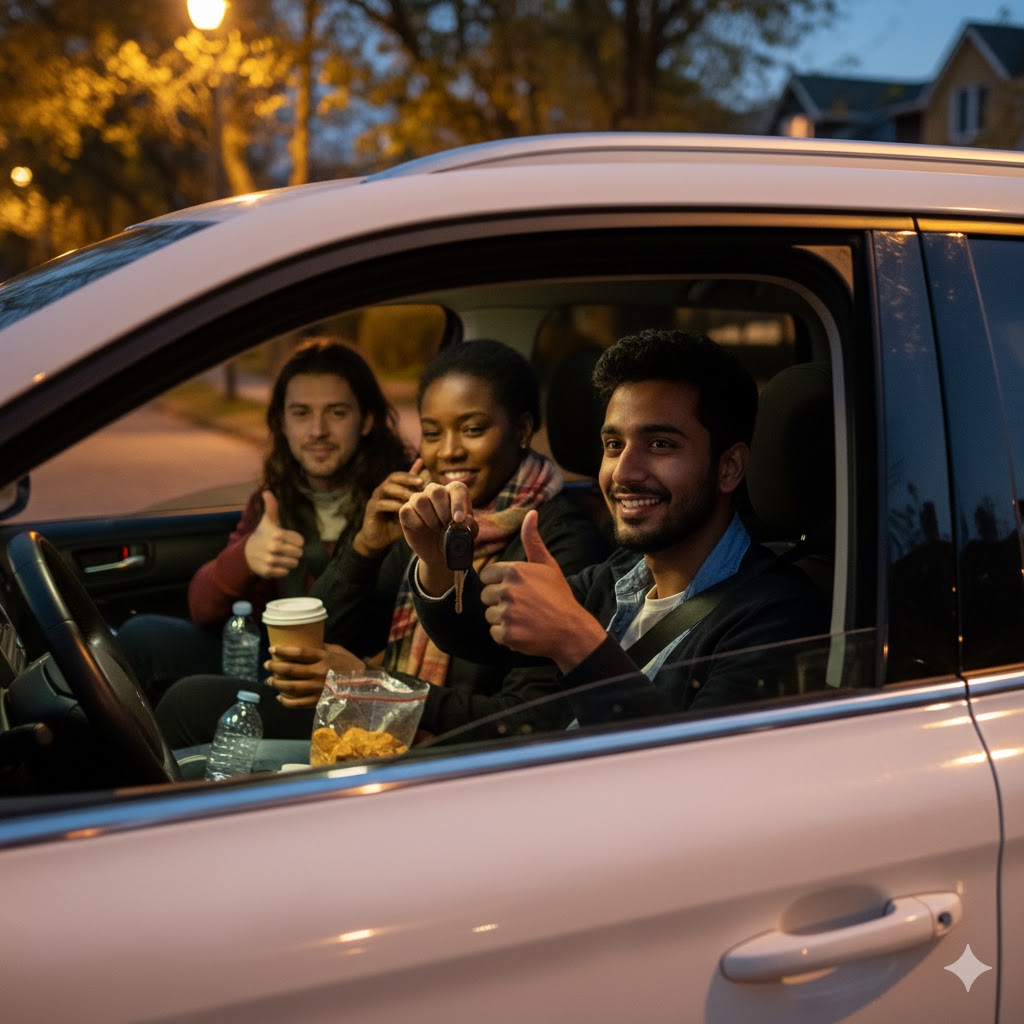
Friends enjoying a car ride home safely with their designated driver. A good DD makes sure everyone ends the night on a positive note, creating fun memories without the risks of drunk driving.
Being a Good “Designated Safety Buddy”

We’ve talked a lot about driving, but let’s expand the concept: a designated safety buddy is someone who looks out for their friends’ well-being in all aspects of a night out, not just behind the wheel. Often, the DD naturally becomes this safety buddy because they’re the sober, clear-headed one. However, even if you’re not driving, a group can designate a “safety buddy” – for example, if you plan to take a rideshare or walk, you might agree that one person will stay mostly sober to keep an eye on things. Here’s how to excel in that role:
Stick Together: The old mantra “safety in numbers” is golden. As a safety buddy, encourage the group to stay together and leave no one behind. If the group does split (maybe two friends want to hit a different bar or someone goes to the restroom), make sure there’s a plan. For instance, go with them or ensure they check in via text. One practical tip is to use a location-sharing app among trusted friends for the night, so if someone gets separated, you can find each other quickly (with permission, of course) francescatabor.com Agree that no one goes home or wanders off alone without telling the group.
Watch for Red Flags: Keep an eye out for any concerning behavior or situations. Is one friend far more intoxicated than the others? Are they chatting with someone who seems sketchy? As the safety buddy, trust your gut. It’s better to intervene early than to have regrets. Don’t be afraid to pull a friend aside and ask if they’re okay or need a break. Sometimes just your presence can deter a would-be bad actor hovering around your friend. Be prepared to act as the “buzzer” if needed – e.g., if your friend wants an escape from someone, you can swoop in with, “Hey, we need you over here!” You can even establish a code word or signal ahead of time that friends can use if they feel uncomfortable and want you to get them out of a situation francescatabor.com
Mind the Drinks: We touched on this, but it’s worth repeating – drink safety is crucial. Keep an eye on your friends’ beverages. Remind them not to leave drinks unattended and never accept drinks from strangers without watching the source. If you see a drink left alone, advise your friend to get a fresh one. It’s sad we have to think about this, but spiking does happen. A vigilant buddy can literally prevent a tragedy by catching these details.
Know When to Call It a Night: Part of looking out for everyone is recognizing when the party’s over (even if some friends don’t realize it yet). If you notice multiple people in your group slurring, stumbling, or looking ill, it might be time to wrap it up. You can start ushering people toward the exit or suggesting “Let’s grab some late-night food” as a gentle way to shift gears. Arrange the ride home (be it you driving, calling a rideshare, or phoning a sober friend). It’s much better to leave a bit early than to stay until a point where someone gets sick or does something reckless. Encourage friends to call it a night while it’s still a good night.
Handle the End-of-Night Logistics: When everyone’s tired or inebriated, a safety buddy steps up to coordinate. This might mean you summon the Uber and herd everyone into it, or you divvy out who’s riding with whom if people live in different areas. If one friend is crashing on another’s couch, ensure they actually go there. If someone is feeling sick, help them out. Have water and maybe some bread or crackers ready at home base – old tricks to help mitigate the morning hangover. Basically, you’re the one making sure every loose end is tied: everyone has a safe way home, nobody is wandering off alone, and any immediate needs (like “I need to drink water now”) are addressed.
Debrief and Check In: The morning after, it’s a great practice as the safety buddy to check in on your friends. A simple message like “Hey, you doing okay today?” shows you care. If someone doesn’t remember parts of the night, fill them in on the funny things – and gently on anything worrisome (“Yeah, you were pretty wobbly so I made sure you got home. All good!”). This debrief not only helps your friends feel cared for, but it also reinforces the safety culture in your circle. They’ll likely thank you for looking out for them.
Being a designated safety buddy is about balancing freedom and protection – you want your friends to have a blast, but not at the expense of their safety or your peace of mind. It’s like giving them “freedom with guardrails” francescatabor.com You’re not there to control anyone, just to be the safety net if they lose their balance (literally or figuratively). And if you’re also the designated driver, these two roles go hand-in-hand – you’re the anchor keeping the night secure and the driver steering everyone to safety afterward. Your friends are lucky to have you!
Legal Tips and Staying Empowered as the Sober Friend
One advantage of being the sober, responsible person is that if anything goes wrong, you’re in a better position to deal with it calmly. Let’s touch on a couple of scenarios and how to handle them:
If You Get Pulled Over: Even as a sober driver, traffic stops can be tense. Perhaps a tail light is out, or an officer might check on your intoxicated passengers. Remember, you have rights during a stop. Stay polite and calm. Keep your hands visible on the wheel, and if asked for your license and registration, provide them. Since you haven’t been drinking, you need not fear a breathalyzer – but still, know that you can politely refuse a roadside breath test in some jurisdictions (that often leads to getting one at the station instead). If an officer asks if you’ve been drinking, you can confidently say, “No, I’m the designated driver tonight.” 😇
It’s also wise to know that you have the right to record police encounters in all 50 states as long as you aren’t interfering In fact, having a recording can provide an objective account of the stop. This is where the H.E.L.P. App comes in handy. The H.E.L.P. App (Helping Ensure Legal Protection) is a smartphone app that essentially acts as a witness in your pocket during police encounters By simply shaking your phone or hitting a button, it will start recording video, upload it to the cloud, and even give you real-time guidance on your rights. If you’re pulled over, the H.E.L.P. App can remind you what to do (and not do), and ensure there’s a clear record of the interaction. This protects you and the officer by keeping everyone accountable. As a designated driver, you likely won’t have any issues with law enforcement, but it’s empowering to know you have this extra layer of protection. (After all, you might have drunk passengers – having a recording could help if, say, an unruly passenger causes concern or if there’s any misunderstanding.)Dealing with Unruly or Sick Friends: Sometimes the biggest challenges come from inside your own car. If a friend gets sick, pull over safely – better to clean up on the shoulder than attempt on a highway! Carrying some basic first-aid or motion sickness supplies (vomit bags, tissues) is a pro move. If a friend is really ill (e.g. signs of alcohol poisoning: vomiting repeatedly, very disoriented, or unresponsive), don’t hesitate to call emergency services. It’s better to be safe – and medical professionals will tell you they’d rather respond to a call than have someone not call and regret it. Legally, many places have Good Samaritan laws or 911 immunity for calling in an alcohol or drug overdose, meaning neither you nor the sick friend will get in trouble for seeking help. The priority is saving a life.
Avoiding Fights and Trouble: Bars and parties can sometimes come with drama – maybe your friend bumped someone’s drink, or a stranger is picking a fight. As the clear-headed person, you can diffuse situations. Encourage your friends to step away from confrontations. Use a friendly approach: “Hey man, sorry about that – let me get you a new drink,” if a drink spilled. If things look to escalate, it’s perfectly fine to get your group and leave the venue. Nothing good comes from a bar brawl. Police involvement in a fight can lead to arrests or charges, even for bystanders. Part of your safety buddy role is knowing when to bail. Your friends might grouse in the moment if you say “we’re out of here,” but they’ll thank you later for steering them away from trouble.
Know Your Local Resources: As the responsible one, it can’t hurt to be aware of local options. Is there a late-night cafe still open where you can grab coffee if you need a sobering pit stop? Do you have the number of a taxi service if your car gets unexpectedly incapacitated? Some areas have free safe ride programs or the AAA “Tipsy Tow” service on holidays – these can be good to know about. Also, keep your phone charged; maybe carry a power bank. In an emergency, you want to be able to make calls.
By anticipating legal and safety issues and using the tools at your disposal (like the H.E.L.P. App for legal peace of mind), you’ll feel empowered as the designated driver/safety buddy. You’re not just passively avoiding alcohol – you’re actively taking charge of the situation to ensure it ends well for everyone.
Speaking of empowerment: The Rights Report (our blog) is all about giving you knowledge to handle situations like these. We believe in legal empowerment, and being a savvy designated driver is a form of that. You’re keeping your friends out of legal peril (DUIs, accidents) and exercising your own rights responsibly. (For more on handling traffic stops, you can check out our other post on why having a “witness” during police encounters is so important – it’s an eye-opener.) The key message is: when you’re prepared and informed, you can ensure everyone stays safe, and even if challenges arise, you’ve got them under control.
Conclusion: The Ultimate Friend Move
Volunteering to be a designated driver – or generally the sober safety buddy – is truly one of the kindest things you can do for your friends. It shows that you care about their lives and well-being. You’re willing to have a slightly less boozy night so that everyone can have a great time and get home without incident. That’s huge! And far from being a drag, many DDs find they enjoy the role: you get to witness all the goofy moments, you remember the awesome conversations, and you wake up the next day without a hangover (while earning hero status in your friend group).
Remember, being the DD doesn’t mean you’re a chauffeur or a babysitter – you’re a friend, a leader, and yes, a bit of a hero. You’re making sure that a fun night out stays fun and doesn’t turn into a tragedy or regret. The statistics don’t lie: designated drivers save lives ripsos.com. You’re part of a positive cultural change that says it’s never okay to drink and drive, and that looking out for each other is cool. In fact, 90% of young adults think everyone taking turns as designated driver makes sense ripsos.com, and most even say DDs are “cool” ripsos.com – the days of teasing the sober friend are over. You’re respected for what you do.
So next time you plan a night out, consider stepping up to be the designated driver or arrange a rotation so everyone plays that role. Use the tips we’ve covered: plan ahead, stay sober, keep it fun, watch over your pals, and leverage tools like rideshares or the H.E.L.P. App to stay extra safe. Your future self (and your friends) will thank you.
Cheers to responsible celebrations and lifelong friendships! With a good designated driver and safety buddy in the mix, you’ll create amazing memories while ensuring everyone lives to laugh about them the next day. Now that’s what we call a win-win.
Meta Description: Be the hero of your friend group by learning how to be a good designated driver and safety buddy. This comprehensive guide offers tips on staying sober, planning ahead, looking out for friends, and using tools like the H.E.L.P. App to ensure everyone gets home safe. Empower yourself with these strategies for fun, worry-free nights out (and boost your responsible friend cred!).

