
How to Protect a Loved One Who Has Frequent Police Interactions
If you love someone who has frequent police interactions, you probably live with a low-level hum of worry that never fully turns off. It might be a sibling who drives late at night, a partner who commutes through heavy enforcement zones, a teenager still learning how to navigate authority, or a loved one whose appearance or circumstances seem to attract extra scrutiny. Whatever the reason, the concern is real, and it’s exhausting.
You don’t want to be paranoid. You don’t want to hover. And you definitely don’t want to make things worse by projecting fear or anger onto someone already dealing with enough. At the same time, doing nothing doesn’t feel right either.
This guide exists for that in-between space.
It’s for people who want to protect a loved one who has frequent police interactions without escalating tension, spreading fear, or crossing legal lines. It focuses on preparation, communication, documentation, and calm support—because those are the tools that actually work when it matters most.
Why Some People Experience More Police Interactions Than Others
Before talking about protection, it’s important to understand reality.
Police interactions are not evenly distributed. Some people experience them more often due to where they live, how they commute, their age, their driving habits, their work schedule, or simply how they are perceived. This doesn’t automatically mean wrongdoing, but it does mean increased exposure to stress and risk.
Frequent interactions increase the chance of misunderstandings, mistakes, and emotional fatigue. That’s why preparation matters more for some people than others.
Protection starts with acknowledging that reality—without judgment.
The Emotional Toll of Repeated Police Encounters
Even when encounters end without tickets, arrests, or incidents, the emotional impact accumulates.
Your loved one may experience:
Heightened anxiety
Hypervigilance
Frustration or resentment
Difficulty trusting authority
Emotional exhaustion
Loved ones often feel this secondhand. You replay scenarios in your head. You worry about phone calls you never want to receive. That stress deserves attention too.
Protecting someone includes protecting your own mental health.
What Protection Really Means (And What It Doesn’t)
Protection does not mean confrontation.
It does not mean teaching someone to argue.
It does not mean encouraging defiance.
Real protection means:
Preparation instead of panic
Knowledge instead of assumptions
Documentation instead of disputes
Support instead of pressure
The goal is to reduce risk, not to “win” encounters.
Step One: Have the Right Conversation (Without Making It Worse)
Conversations about police interactions are delicate. If handled poorly, they can increase fear or defensiveness.
Start with curiosity, not control.

Helpful conversation starters include:
“How do those stops usually feel for you?”
“What part stresses you out the most?”
“What would help you feel more prepared?”
Avoid statements like:
“You need to be more careful”
“Why do you keep getting stopped?”
“You should just do what they say”
Protection begins with listening.
Step Two: Focus on Calm, Not Compliance Alone
Many people believe compliance is the only goal. In reality, calm is the real objective.
Calm behavior:
Reduces misinterpretation
Lowers emotional intensity
Prevents escalation
Improves decision-making
Teach your loved one that calm includes tone, posture, pacing, and restraint—not just obedience.
Step Three: Prepare for the Most Common Stress Points
Frequent police interactions often follow predictable patterns. Preparing for those moments reduces panic.
Common stress points include:
Traffic stops
Requests for identification
Questions that feel intrusive
Being asked to exit a vehicle
Unclear detention status
Walk through these scenarios together calmly, ahead of time. Preparation makes responses automatic instead of emotional.
Step Four: Teach the Power of Saying Less
One of the most protective skills during police encounters is knowing when to stop talking.
Many people overshare because silence feels awkward or suspicious. In reality, silence is neutral.
Helpful phrases to practice:
“I choose to remain silent.”
“I do not consent to searches.”
“Am I being detained, or am I free to go?”
These phrases are respectful, clear, and legally sound.
Step Five: Normalize Documentation as Protection, Not Provocation
Documentation is one of the most effective forms of protection for people with frequent police interactions.
Recording interactions:
Preserves objective facts
Reduces reliance on memory
Protects against false claims
Encourages professionalism on all sides
It is not about antagonizing officers. It is about accountability and clarity.
Why the H.E.L.P. App Matters for Frequent Interactions
The H.E.L.P. App (Helping Ensure Legal Protection) was designed specifically for moments when clarity matters most.
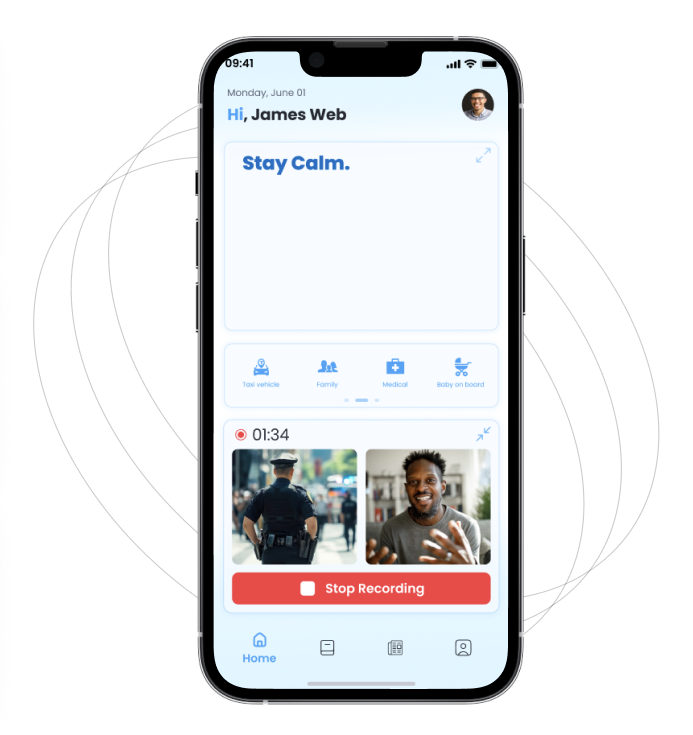
For loved ones who have frequent police interactions, the app provides:
One-touch recording without fumbling
Automatic cloud backup
Verified timestamps and location data
Calm, on-screen guidance
This reduces panic and prevents mistakes that happen when stress takes over.
Knowing that evidence is preserved allows people to focus on staying calm instead of trying to remember every detail.
Step Six: Create a Trusted Contact System
Protection doesn’t stop at the encounter. What happens after matters too.
A trusted contact system ensures someone else is aware if an interaction becomes prolonged or stressful. This doesn’t require constant monitoring—just availability.
Trusted contacts can:
Receive alerts
Preserve recordings
Provide post-encounter support
Help document details while fresh
This shared responsibility reduces emotional burden on everyone involved.
Step Seven: Prepare for the Aftermath, Not Just the Moment
Frequent police interactions can leave emotional residue even when nothing “bad” happens.
Support after an encounter includes:
Listening without judgment
Avoiding interrogation-style questions
Asking how they’re feeling, not what they did
Encouraging rest and grounding
Processing emotions prevents burnout.
Common Mistakes Loved Ones Make (And How to Avoid Them)
In the name of protection, loved ones sometimes unintentionally increase stress.
Common mistakes include:
Lecturing instead of listening
Reacting with anger or fear
Pressuring someone to recount details immediately
Making encounters about politics instead of safety
Protection is most effective when it feels supportive, not controlling.
Why Preparation Is More Effective Than Protest
Advocacy matters, but preparation keeps people safe in real time.
While policy change happens slowly, preparation works immediately. Teaching someone how to stay calm, document properly, and assert rights respectfully reduces risk every single time.
Protection is practical before it is political.
How to Support Without Creating Dependence
The goal is empowerment, not reliance.
Encourage your loved one to:
Learn their rights
Practice calm responses
Use tools independently
Make their own decisions
Your role is backup, not command.
When Legal Help Becomes Necessary
Most police encounters do not require attorneys. Some do.
Encourage your loved one to seek legal advice if:
Rights were clearly violated
Charges were filed
Property was seized
Force was used
Documentation makes legal consultation far more effective.
Why Emotional Regulation Is a Safety Skill
Emotional regulation is not weakness. It is strategy.
Staying calm under pressure:
Prevents miscommunication
Reduces perceived threat
Improves memory
Protects mental health
This is especially important for people with frequent interactions.
How to Reduce Long-Term Stress for Everyone Involved
Chronic worry takes a toll.
To reduce stress:
Limit doom-scrolling
Avoid replaying worst-case scenarios
Focus on preparation, not prediction
Share responsibility among trusted contacts
You cannot control every outcome, but you can reduce risk.
Why This Guide Is About Empowerment, Not Fear
Fear-based advice creates tension. Empowerment creates resilience.
This guide exists to help people feel more prepared, not more afraid. Knowledge replaces panic. Tools replace helplessness.
Protection doesn’t have to feel heavy.
What Real Safety Looks Like
Real safety looks like:
Calm responses
Clear boundaries
Preserved evidence
Emotional support
Prepared systems
It does not look like constant anxiety or confrontation.
Final Thoughts
If you love someone who has frequent police interactions, your concern is valid.
Protection doesn’t come from yelling louder or trusting blindly. It comes from preparation, clarity, and calm systems that work quietly in the background.
You don’t need to control the situation. You just need to support the person navigating it.
Take the Next Step
If you want a way to protect your loved one that supports calm behavior and preserves evidence without escalation, choose tools built for real-world encounters.

