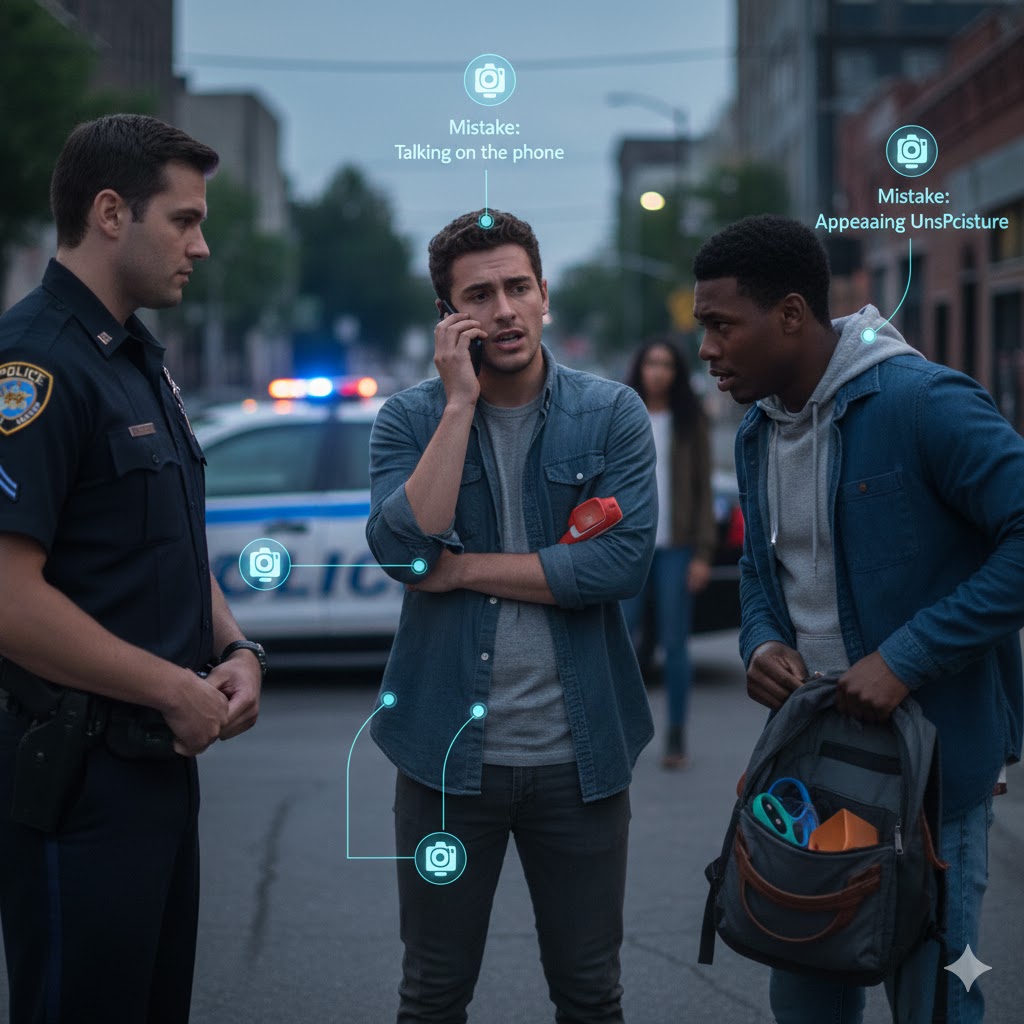
The Most Common Mistakes People Make During Police Encounters
Police encounters rarely happen when people feel prepared. They happen on the way to work, during errands, late at night, or in moments of stress. Even law-abiding people can feel nervous when flashing lights appear or when an officer approaches. That nervousness is human. Unfortunately, it’s also where many avoidable mistakes begin.
Most problems during police encounters don’t start with criminal intent. They start with confusion, fear, misunderstanding, or misplaced confidence. People say too much. They say too little. They move when they shouldn’t. They argue when they don’t need to. These mistakes aren’t signs of guilt—they’re signs of being unprepared for a high-pressure situation.
This article breaks down the most common mistakes people make during police encounters, why they happen, and how to avoid them. The goal is not to create fear or distrust. The goal is clarity. When you understand what not to do, you’re far more likely to stay calm, protected, and in control.
Mistake #1: Talking Too Much
Silence makes people uncomfortable. In stressful situations, many people talk to fill the space. During police encounters, this instinct often backfires.
People overshare because they want to appear cooperative. They explain details that were never asked for. They volunteer timelines, guesses, or opinions. In doing so, they may unintentionally create inconsistencies or give information that complicates the situation.

You are generally required to identify yourself when lawfully asked. Beyond that, you have the right to remain silent. Exercising that right is not rude, suspicious, or aggressive. It is responsible.
A simple, calm phrase such as “I choose to remain silent” or “I’d like to speak with an attorney” is enough. Talking less protects you from misunderstandings that can’t be undone.
Mistake #2: Mistaking Compliance for Conversation
Compliance and conversation are not the same thing.
Compliance means following lawful instructions, such as exiting a vehicle when ordered or providing identification when required. Conversation means answering questions that are not legally required.
Many people confuse the two. They believe that being polite means answering everything. In reality, politeness is about tone, not content.
You can be respectful, calm, and cooperative without explaining yourself. Saying “Yes, officer” while following instructions does not require providing a narrative.
Understanding this distinction reduces stress and prevents unnecessary escalation.
Mistake #3: Making Sudden Movements
Nervous energy often shows up physically. People reach for documents too quickly, adjust clothing, grab phones, or step out of vehicles without being told.
Sudden movements increase tension. Officers are trained to assess risk based on body language. Quick or unexpected actions can be misinterpreted, even when harmless.
The safest approach is stillness. Keep your hands visible. Move slowly and only when instructed. If you need to reach for something, ask first.
Clear communication paired with deliberate movement keeps encounters calmer for everyone involved.
Mistake #4: Arguing on the Scene
Few things escalate a police encounter faster than arguing.
People argue because they feel wronged, misunderstood, or confident they are legally correct. While that may be true, the roadside is not the place to litigate facts or law.
Arguments raise voices, trigger defensive responses, and shift focus away from resolution. Even if you are correct, arguing rarely improves the outcome in the moment.
Disputes are resolved later—through documentation, attorneys, or courts—not curbside.
Staying calm and saving disagreements for the appropriate setting protects you in the long run.
Mistake #5: Assuming Officers Must Explain Everything Immediately
Another common mistake is demanding explanations on the spot.
People ask, “Why am I being stopped?” or “What did I do wrong?” These questions are understandable, but officers are not always required to explain details during an active stop.
Pressing for explanations can prolong the encounter and increase frustration on both sides. It can also distract from compliance, which is the priority in the moment.
If an explanation is required, it will come later through formal processes. Your job during the encounter is to stay safe and composed.
Mistake #6: Consenting Without Understanding
Consent is one of the most misunderstood aspects of police encounters.
When an officer asks, “Do you mind if I search?” many people say yes out of politeness, fear, or confusion. That consent may waive important legal protections.
You are allowed to say no. Saying no is not obstruction. It is exercising a right.
A simple response such as “I do not consent to any searches” is clear and calm. You can still comply with instructions while withholding consent.
Knowing this distinction is crucial.
Mistake #7: Believing Innocence Guarantees Safety
Innocence does not eliminate risk during police encounters.
Many people assume that because they have done nothing wrong, the encounter will automatically go smoothly. This belief can lead to complacency, frustration, or shock when things don’t unfold as expected.
Police encounters are procedural, not personal. Officers follow protocols regardless of guilt or innocence. Understanding that reality helps you approach the interaction strategically instead of emotionally.
Preparation matters even when you’ve done nothing wrong.
Mistake #8: Recording Incorrectly or Not at All
Recording police encounters has become more common, but many people still make mistakes when doing so.
Some record while arguing. Others announce aggressively that they are recording. Some fumble with their phones, creating suspicion or confusion. Others don’t record at all because they panic.
Recording should be calm, passive, and unobtrusive. Your phone should never interfere with compliance or safety.

This is where purpose-built tools like the H.E.L.P. App make a difference. Instead of fumbling, users can activate recording discreetly, with automatic cloud backup and verified timestamps. That removes stress and protects evidence without escalation.
Mistake #9: Posting Immediately on Social Media
Posting footage immediately after an encounter is tempting. Emotions are high. People want validation or accountability.
However, posting too quickly can:
Spread incomplete context
Compromise investigations
Escalate public reaction
Expose private information
Preserving evidence first is always the priority. Sharing should be thoughtful and intentional, not reactive.
Responsible documentation protects everyone involved.
Mistake #10: Not Knowing When You’re Free to Leave
Many people stay longer than required simply because they’re unsure.
If you are not being detained, you are free to leave. Politely asking, “Am I being detained, or am I free to go?” provides clarity without confrontation.
If the answer is yes, stay calm and comply. If the answer is no, you may leave peacefully.
This simple question prevents unnecessary prolonged encounters.
Mistake #11: Letting Fear Dictate Behavior
Fear drives most mistakes during police encounters.
Fear causes people to:
Overexplain
Argue
Freeze
Panic
React emotionally
Fear is natural, but it does not need to control your actions. Preparation replaces fear with confidence.
Knowing what to expect and how to respond reduces adrenaline and improves decision-making.
Mistake #12: Forgetting That Documentation Protects Everyone
Documentation is often framed as adversarial, but it benefits all parties.
Clear records:
Protect citizens from misconduct
Protect officers from false claims
Clarify disputed facts
Reduce reliance on memory
The presence of objective evidence often leads to faster, fairer resolutions.
Why These Mistakes Are So Common
These mistakes aren’t caused by bad intentions. They’re caused by a lack of education.
Most people are never taught how to handle police encounters. They rely on movies, anecdotes, or assumptions. That gap in knowledge creates unnecessary risk.
Education empowers people to act calmly instead of react emotionally.
How the H.E.L.P. App Helps Reduce These Mistakes
The H.E.L.P. App (Helping Ensure Legal Protection) was designed to address the exact moments where people struggle most.
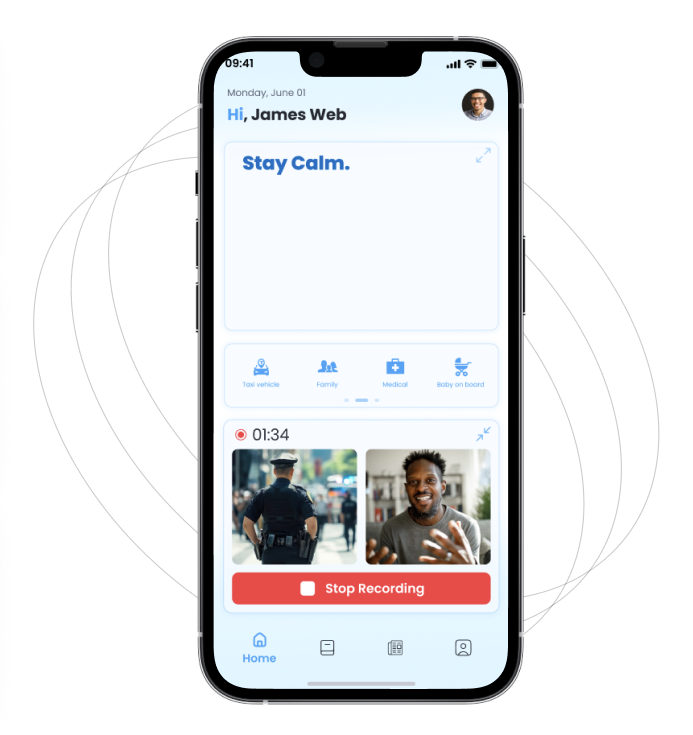
It helps by:
Providing instant recording without fumbling
Preserving evidence automatically
Offering calm, on-screen guidance
Reducing panic through preparation
When tools support clarity, people make fewer mistakes.
What Calm Looks Like in Practice
Calm is not silence alone. Calm is controlled behavior.
It looks like:
Steady breathing
Neutral tone
Slow movements
Clear boundaries
Minimal speech
Calm de-escalates situations more effectively than confrontation or compliance alone.
Teaching These Lessons Before They’re Needed
The best time to learn this information is before an encounter happens.
Share this knowledge with:
Family members
Teen drivers
Loved ones
Friends
Prepared people are safer people.
Why Rights Education Is Not Anti-Police
Understanding your rights does not make you anti-police.
It makes you informed.
Informed citizens and professional officers benefit from clear expectations and calm interactions. Transparency improves trust when both sides understand boundaries.
Final Thoughts
Most mistakes during police encounters are preventable.
They come from fear, confusion, and misinformation—not wrongdoing. With preparation, awareness, and the right tools, you can navigate encounters calmly and protect yourself without escalation.
Knowledge doesn’t create conflict. It prevents it.
Take the Next Step
If you want support during high-stress moments—not just advice afterward—equip yourself with tools designed to protect you in real time.

