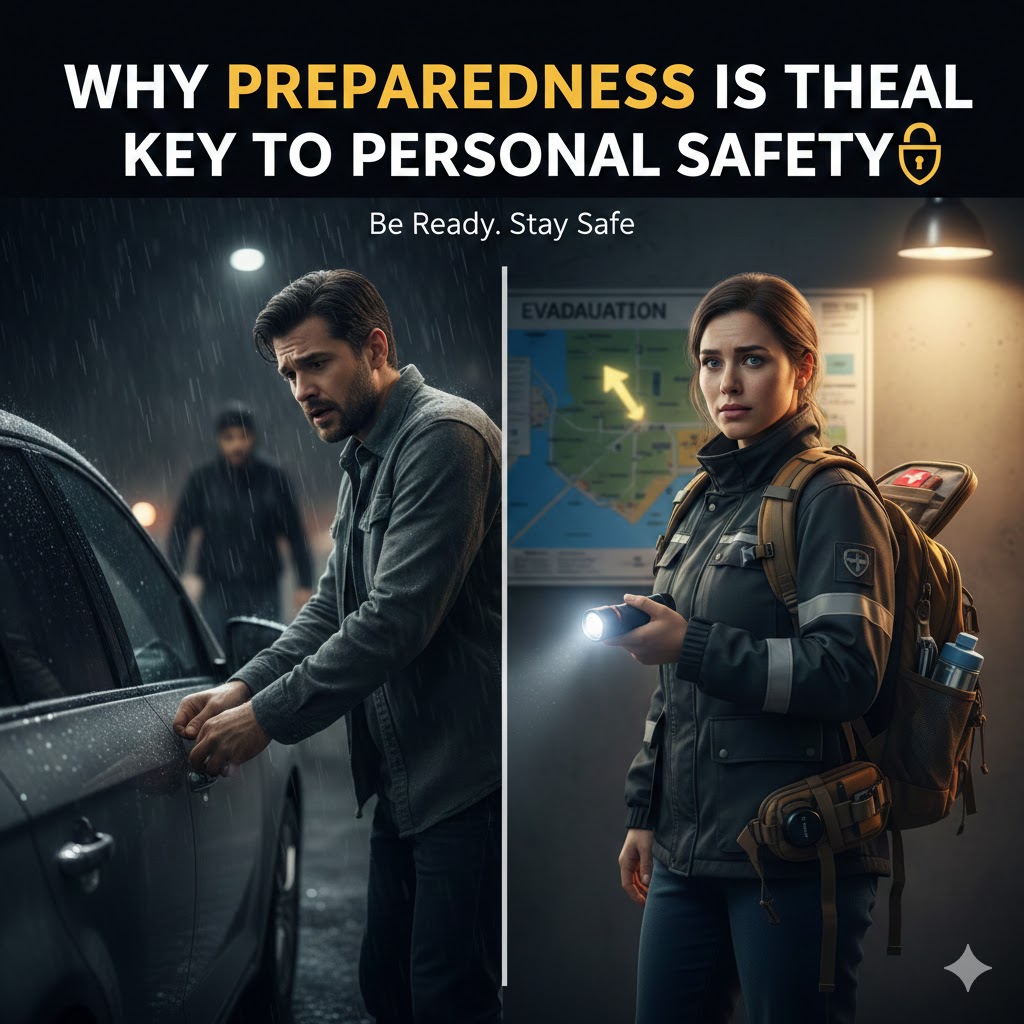
Why Preparedness Is the Real Key to Personal Safety
When people think about personal safety, they imagine dramatic moments — flashing lights, raised voices, sudden confrontation.
But real safety does not begin in crisis.
It begins long before it.
Personal safety is not a reaction.
It is preparation.
Preparedness is the quiet advantage most people overlook. It is the difference between panic and clarity, escalation and composure, uncertainty and confidence.
In a world where misunderstandings can quickly turn into disputes, preparation protects both dignity and rights.
What Preparedness Really Means
Preparedness is not paranoia.
It does not assume conflict.
It does not expect the worst.
Preparedness means:
Knowing your rights
Understanding what to say
Having a plan
Using reliable documentation tools
Preparedness removes guesswork.
Guesswork creates panic.
Why Most People Feel Unsafe
Feeling unsafe often comes from uncertainty.
You may be unsure:
What your rights are
Whether you must answer questions
Whether you can document the interaction
What happens next
Uncertainty fuels anxiety.
Preparedness replaces uncertainty with clarity.
Why Preparation Is More Effective Than Reaction
Under stress, your nervous system takes over:
Heart rate increases
Breathing becomes shallow
Thinking narrows
When you have mentally prepared beforehand, your brain does not improvise — it executes.
Execution is calmer than reaction.
This is why learning how to remain composed during encounters — such as in How to Stay Calm, Clear, and Protected During Police Encounters — changes outcomes before tension rises.
Why Knowing Your Rights Changes Everything
Preparedness begins with knowledge.
Understanding:
Your right to remain silent
Your right to decline consent to searches when appropriate
Your right to document public encounters
Creates confidence.
Resources like the American Civil Liberties Union provide detailed guidance on civil rights during police interactions.
Knowledge reduces intimidation.
Confidence lowers escalation.
Why Documentation Is a Core Preparedness Tool
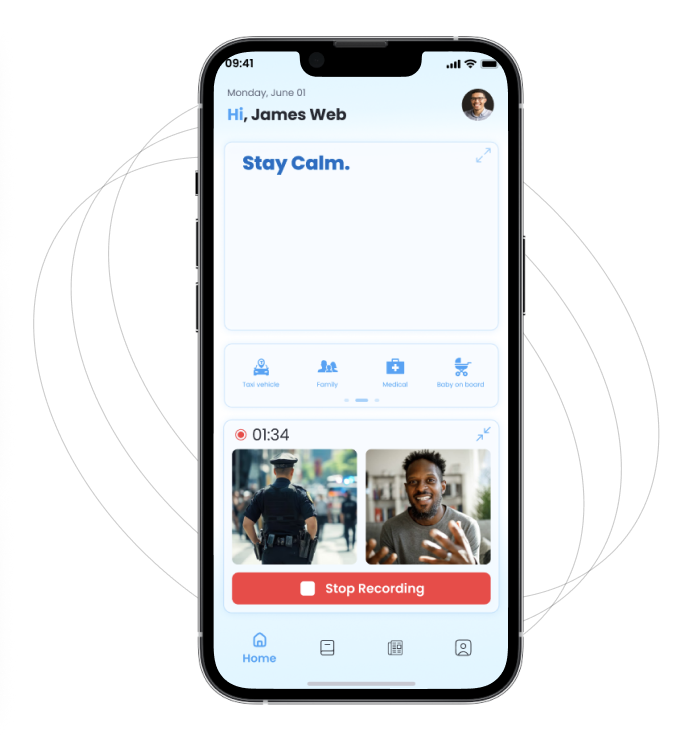
Documentation is not confrontation.
It is clarity.
When events are preserved accurately, you reduce reliance on memory and speculation.
Tools such as the H.E.L.P. App (Helping Ensure Legal Protection) are designed for simple, one-tap activation with:
Timestamped recording
Secure cloud backup
Reliable preservation
Preparedness means having documentation ready before you need it.
For a deeper look at why transparency matters, see From Dispute to Documentation: Why Transparency Wins in the End.
Why Timestamps Matter
Sequence often determines fairness.
Did instructions come first?
Was compliance immediate?
Did tone escalate over time?
Timestamps anchor events to real time.
Anchored time prevents confusion.
Organizations such as the Electronic Frontier Foundation explain why lawful recording strengthens accountability in public spaces.
Why Cloud Backup Is Part of Real Safety
Recording alone is not enough.
Phones break. Files disappear.
Secure cloud preservation ensures evidence survives.
Survival preserves options.
Why Preparedness Reduces Escalation
When you are prepared:
You do not feel compelled to argue
You understand disputes can be resolved later
You prioritize safety over pride
Preparedness shifts focus from winning the moment to protecting the future.
This principle is explored further in The Most Important Thing to Do When You Feel Unsafe During a Stop.
Why Preparedness Protects Mental Health
After an encounter, uncertainty can linger.
Prepared individuals:
Review documentation calmly
Avoid replaying uncertain memories
Rely on preserved facts
Clarity prevents rumination.
Preparedness protects peace of mind.
Why Preparedness Is Not Aggression
Documentation is neutral.
Hospitals document procedures.
Businesses log transactions.
Pilots record cockpit data.
Preparedness protects everyone involved.
The National Institute of Justice emphasizes that transparency and accurate reporting improve community safety outcomes.
Why Preparedness Improves Communication
When you know what to say, you speak clearly.
Simple phrases reduce tension:
“I’m cooperating.”
“I prefer not to answer that.”
“I do not consent.”
Prepared language avoids emotional escalation.
Why Silence Can Be Strategic
Under stress, people often over-explain.
Preparedness includes knowing when to pause.
Strategic silence protects your position and prevents unnecessary statements.
Why Preparedness Is a Long-Term Strategy
Safety does not end when the encounter ends.
Prepared individuals:
Preserve documentation
Avoid impulsive social media reactions
Seek proper legal guidance when needed
Due process depends on accurate records.
The U.S. Department of Justice Civil Rights Division outlines how documented evidence supports lawful review processes.
Why Families Should Practice Preparedness
Personal safety is collective.
Teen drivers benefit from understanding:
Calm breathing techniques
Respectful communication
Documentation options
Prepared families reduce risk together.
Why Preparedness Builds Credibility
If a dispute arises, demeanor matters.
Prepared individuals appear composed and measured.
Composure strengthens credibility.
Credibility influences outcomes.
Why Preparedness Is Modern Civic Responsibility
Technology has made documentation accessible.
Using it responsibly:
Protects civil rights
Encourages accountability
Supports fairness
Preparedness aligns with justice, not conflict.
Frequently Asked Questions

Is preparedness the same as expecting trouble?
No. Preparedness does not assume wrongdoing. It ensures clarity if something unexpected happens.
Does recording an encounter make things worse?
Calm, lawful documentation often increases professionalism and reduces dispute later. It preserves facts for review.
What is the first step in personal preparedness?
Understanding your rights and practicing calm responses before you need them.
Why is preparation more effective than reacting in the moment?
Stress narrows thinking. Preparation creates mental shortcuts that allow calm execution instead of panic.
Final Thoughts
You cannot control every encounter.
You cannot predict every tone.
You cannot guarantee every outcome.
But you can prepare.
Prepare your breath.
Prepare your words.
Prepare your documentation tools.
Preparedness turns tension into clarity.
Clarity protects rights.
Rights protect safety.
And safety begins long before the moment arrives.
Take the Next Step
If you believe personal safety begins with preparation, consider equipping yourself with simple, reliable documentation tools designed for real-world situations.